Jump to content
  • Popular Contributors

  • Posts

    • I suppose it's possible.     At 60K miles, I would have had the brake lines flushed with all new fluid.  As andyman stated above, pushing dirty fluid back up into the brake system is never a good idea.   The " something rubbing in the front area " could well have been the brake wear indicators, if the new brake pads had them.  Sometimes they come new out of the factory out of adjustment and need to be reset.  They are just a simple metal tab that are supposed to start scratching against the rotor when a brake pad has worn too thin.   Also, " warped rotors " are really a myth.  Unless the rotors were of poor manufacture, they do not warp.  What most everyone calls " warped rotors " is really a build-up of brake dust on the rotors, causing the brakes to chatter against the rotor when you apply the brakes.  There is a simple way to eliminate that chatter in most cases.
    • All well and good that the dealership is willing to swap you into a different vehicle.   Just remember not to blame the vehicle itself.  Always the problem when buying a used vehicle is you never really know how the vehicle was treated prior to your purchase.   Hopefully you get the right vehicle for your needs with zero problems.   Good Luck.
    • First of all, you realize this post started 2 1/2 years ago.  Many people on many different forums, post questions and never return.  They think they get their answer and stop.   " Butt Dynos " are meaningless but if you think you feel something, there may be something to it.   There are many reports on-line, either on this forum or the internet on people's impressions of larger FMICs installed, including the CVF Performance FMIC, either on this forum or on-line.  You just have to do a search and see what they say.  Just remember, only pay attention to those reports where the only thing they changed was the FMIC and nothing else.   Also remember that a " 3–4% bump in raw potential power " is meaningless in the overall power increase. Example:  300HP Advertised ( which is not the same as actual HP at the wheels ).  Take 3-4%  of that and you are looking at 3 - 4 HP total increase maybe.  Now, add in a powertrain loss of 20-25% and what does that leave you with in overall gains?   0.75 - 1.0 HP  total increase, at best
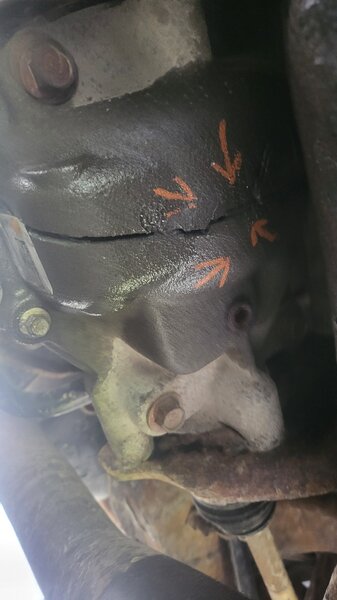
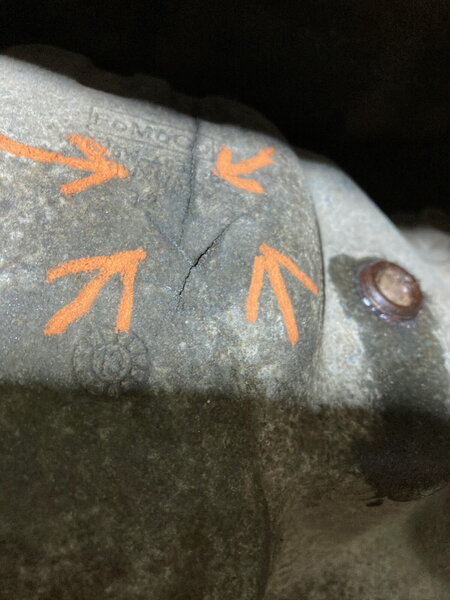
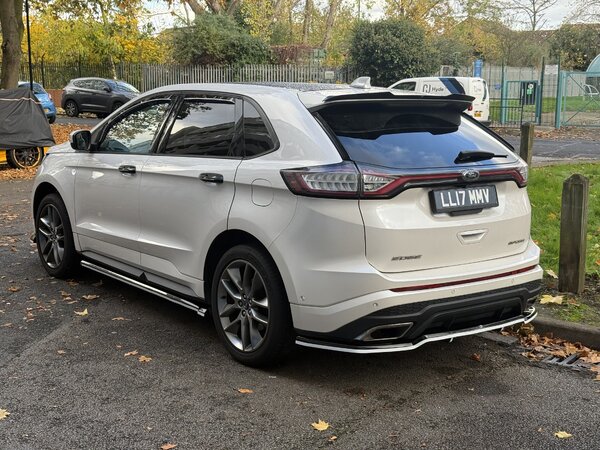
    • So the dealer’s mechanic says the entire rear differential/rear end needs to be replaced, and believes it likely contributed to the original PTU failure, and may have also damaged the replacement PTU that was installed afterward. Because the vehicle has had issues almost immediately after purchase, the dealer has offered to swap us into a different vehicle, and we’re probably going to take that route.   I still think the Edge is a nice vehicle when everything is working correctly, especially for highway driving and general daily comfort. But after everything we’ve experienced, I don’t think it’s the best fit for our situation. We live on a steep, rough gravel driveway in the mountains, and if we’re already seeing drivetrain issues mainly from normal pavement driving, I just don’t feel confident about how it’ll hold up long term for our environment and needs. At this point, we’re probably better off moving to something simpler and more rugged, even if that means giving up some of the comfort and luxury-style features the Edge offered.
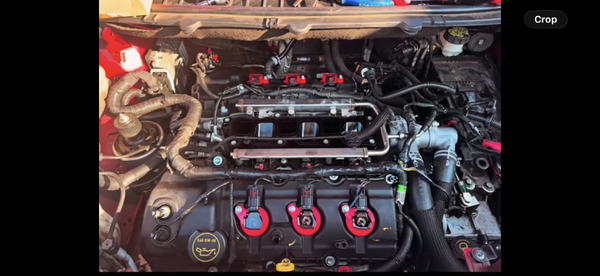
    • Ive seen some FMIC vendors claiming up to 40 degrees air temp reduction with their products.   As far as I know... A 40-degree drop could theoretically provide a 3–4% bump in raw potential power just from the air density alone. Also when intake air is hot, the risk of pre-ignition increases significantly. To prevent the engine from destroying itself, the ECU will retard the ignition timing. By dropping the temp by 40 degrees, the engine can run more aggressive timing, which is where the most significant felt horsepower gains come from.   A few years ago I had a 2010 335i, and just by upgrading the FMIC without any ECU tuning, my "butt dino" felt gains of 15 to 20 hp.   So thats why I want to know, how this FMIC is performing on the ST, but I guess the OP is not reading this anymore    I would be great to have his feedback.    
    • Yes, though uncommon,  Many techs push the calipers back, sending the fluid back up the lines, through the abs and back to the master. Not loosening the rake fluid cap while doing this doesn't help either This can roll a seal in the master, send dirty fluid back up through the system, etc The best practice is to open the bleeder while pushing the piston in, then top up the system. Most people don't do this(inc me) unless the service manual says to  
    • Very late reply, But for new lookers, yes, your numbers line up with mine in Canada - 2013 sport, 22's Here anyways, our lower grade fuels have ethanol - 10-15%, which lowers fuel economy Where our premium - 91+ octane Usually doesn't.  The increase in fuel cost though doesn't offset the increase in economy-40 cents a liter
    • Just a note of my experience, Currently 2013 edge sport running 275 40 22, more choices in 275 vs 265 Winters 245 60 18, nicer ride, less road rut pull, and substantially better fuel economy. Love the look of the 22's, but at $2 a liter/$7 a gallon... So if you are looking to go bigger, tire width will make a fuel economy difference  
    • Thanks! I kinda knew that but wasn’t thinking. Good catch. Pay no attention to the man behind the curtain. 😉
    • If you need to use CR2025, a better option would be to use tinfoil to create the extra 2.5mm of space.
  • Topics

×
×
  • Create New...