-
Images
-
Popular Contributors
-
1
-
2
-
3

-
4
-
5
-
-
Posts
-
Our 2010 awd limited with 217000km has never had its ptu fluid changed. Local ford says its for life dont worry. Everyone else seems to disagree. I put my big boy pants on and tackled it. Initially drove the front on ramps. Crawled under and opened the filler plug. About 100ml or so fluid ran out. Oddly it seemed decent, brown not black but smelly. Using a suction tool managed to get about 150ml or so out. Rooted the hose around as best as possible but didnt get much more out. Then jacked the rear up on stands to be level by the eyeball measurement technique. I pushed the fluid in slowly to let it run down internally. Kept filling until it puked out on hose removal. I let it drizzle until it just dripped and replaced the cap. Figure i got about 280 to 300ml back into the PTU. The other 300ml ended up on the floor, my hair and every other place I dont want it. Used 75w140 Pennzoil synthetic. Based on others experience did I meaningfully extend Edgeward’s life or tragically cut it short?
-
 Thanks for the comments and suggestions. The whine can be heard accelerating/decelerating with or without braking. I might hold-off buying parts until after the next service at which time I'll inspect the driveshaft, change PTU and RDU oils and check the drained oil. The tires have just under 10K miles on them - P Zeros bought and installed at Costco - I did inspect them and there's no sign of wear let alone cupping etc.
 -
It's been sometime now and I don't remember if this was suggested before, but have you considered they might be coming from the tires? Maybe try rotating them to see if it changes the noise? If recall correctly, with bad bearings the noises would change on turns when the loads on them shift.
-
By Samurai Edge · Posted
Have you tried having someone else in the car with you, sitting in the back to see if they hear it louder in the back than you hear it in the front? If not responding to deceleration, and I am presuming with brake added, then most likely not the brakes. Another possibility: Could the whining / humming noise be coming from the driveshaft bearings? -
I've held off buying parts to address this whining/humming noise because I'm unsure of what's actually causing it. Well, its got worse and it's loudest between 40 and 60 mph and doesn't respond to acceleration or deceleration so I'm leaning towards it being a wheel bearing, and I'm not sure if its front or rear. I'm thinking of getting four of the SKF BR931101 for around $100 each on RockAuto in the hope that will cure the irritating noise - or wait until it gets a lot worse making it more evident.
-
By Samurai Edge · Posted
I vacuumed out my PTU fluid as my PTU does not have a drain plug. I got ( most likely ) all of the old fluid out. When vacuuming, you have to move the vacuum hose around into the corners to get it all. I actually was able to put more fluid in than I took out by a small amount. -
By Samurai Edge · Posted
You need to better describe " hitting hard ". What does that mean to you? A better understanding of what you are actually feeling can help get you a better answer. Are you hearing a bump? Do you feel you the car is bottoming out on the bump stops? Does it sound like something is loose / clanging? Please update so you can get better help. -
By Robin Renko · Posted
My 2018 Edge Sport has 135,000 miles on it. Rear struts replaced with Monroe about 16 months ago. Didn’t fix the problem of hitting hard on road creases or on parking lot/driveway curb entrances. It rides fine otherwise, it’s just those creases that sounds and feels like metal on metal. I’ve had it on the lift, repair man doesn’t see anything wrong. Ford wants $200 to inspect it. Sway bars? Control arm? Anything to look at specifically? -
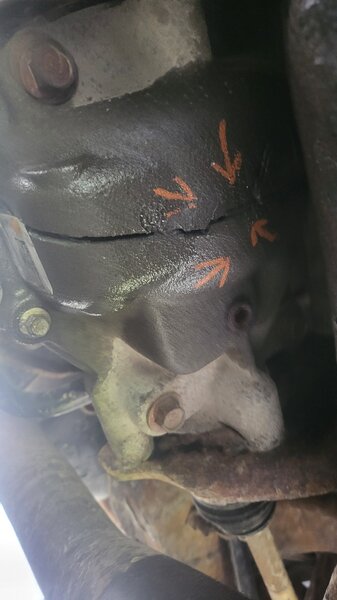
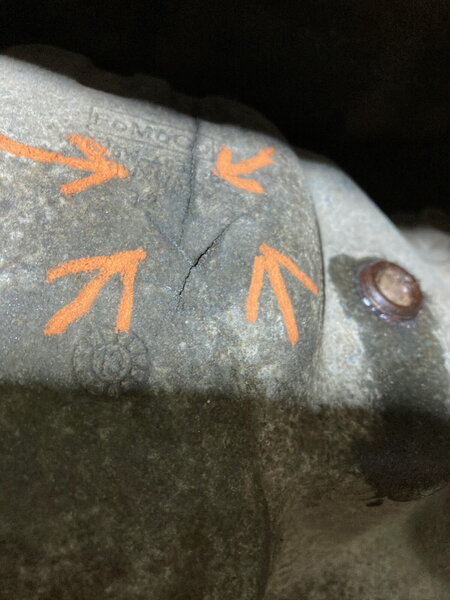
People should look on ebay (though I just got screwed by ebay on a return shipping scam). There are multiple sellers selling this same part for 1/2 the price with the heat shield and the drain plug. It worked well in mine. Probably would last 100k. The original lasted till 168. I did the entire firewall refill setup, would be easy to service. Bought a measuring injector (plastic). Measured what came out, then put that back in, did not have to mess with filling it under the car.
-
By relentless85 · Posted
2014 Edge 3.5L is showing all of the following codes: Trying to figure out what is actually causing this. Is it actually the ABS module or is it the Steering Wheel position sensor? The codes have not been reset yet to test if they come back. Also, battery hasn’t been tested for proper voltage yet.
-
-
Topics
-